
Why Some Golfers Are Pushing Back on the Golf Boom
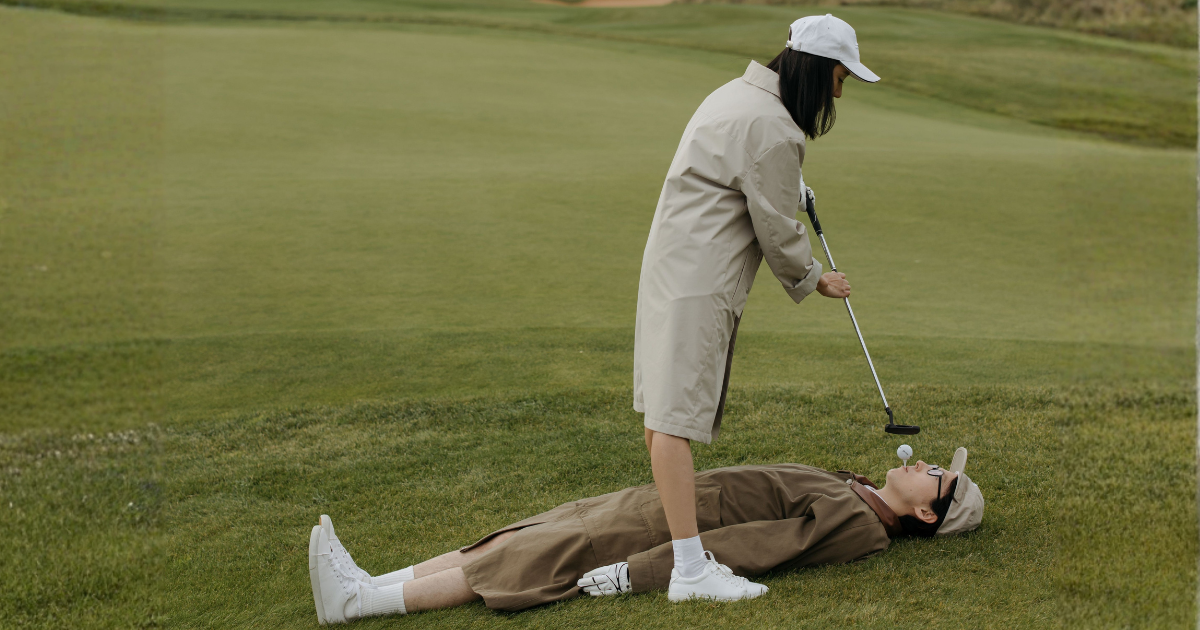
Golf has been around for a very, very long time. As with anything that has survived for a long period of time, the sport has seen ups and downs in its popularity, but until recently,participation had actually been on a long-running decline. Concerns about the environmental impact, rising prices, and decreasing free-time made golf more and more of a luxury over the decades rather than an accessible hobby. I’ll get candid with you: even as a passionate golfer myself, something about getting out for golf throughout the 2010s even got harder for me. Taking 4+ hours with few friends willing to join and spending enough money to make me uncomfortable a few days every week for a game that had little enthusiasm from the general populous just felt… dull. Fast forward to 2026, and we’ve got an entirely different story.
Between 2019 and 2025, the National Golf Foundation cited a 41% increase in golf’s participant base.Regardless of how much stock you put in independent stats, have you tried to get a tee time at any municipal course in the last few years? Whether it’s 40%, 30% or somewhere in-between or over, the game has absolutely exploded thanks to the COVID-19 pandemic pushing hobbyists to look at new forms of entertainment (golf), the increase in indoor golf availability, content creation around golf, excitement in the pro scene and more. It’s undeniable. What’s debatable is how healthy it is for the golf community at large.
What is the “Shrink the Game” Push Really
We’ll keep the background short, assuming you’re experiencing much of this firsthand, but the boom in golf through the 2020s so far has not just brought back seasoned golfers; they were playing the whole time. Instead we’ve got entirely new demographics getting on the courses (which are less available, by the way). Some started watching absurd challenges on YouTube, some started in sweatpants on the indoor sims, others just experimented. Anecdotally, it seems like golf etiquette, pace of play, dress codes, and other general golf social norms have become less and less important to new golfers in this time as well—especially with young golfers not getting experience in competition settings or with other seasoned golfers. Background aside, this is the beginnings of the frustrations causing the push to shrink the game.
“Shrink the game” as a phrase is, for the most part, an unactionable saying, but an expression to highlight the growing frustration from seasoned golfers (pre-2020) with the current conditions of golf culture caused by the boom. More specifically, getting tee times at public courses has gotten significantly harder, pace of play is getting worse, prices are getting worse, and the culture is changing as a direct result of the growth. I say unactionable because it’s not like there’s much to do about it from the player perspective. Take another personal example: my small town has 2 public courses and a country club. The public courses have become completely inundated with new golfers and I have legitimately had 6+ hour rounds playing alone. I can and have griped to the course owners about getting support staff, even if just a starter or part-time ranger, but that’s about the extent of impact I can have as a player. My alternative, of course, is escaping the crowd by joining the country club with a thick barrier to entry.
So, to summarize before getting into the weeds on it, the hope for the “shrink the game” advocates is to get back to a time when it was possible to get out for a predictable 4 hour round at your local muni without having to deal with shouting 18 year olds in sweatpants leaving divots with a driver, and there is absolutely an argument to be made for that. But, to break the harsh truth, a lot of the “shrink the game” arguments come from a whiney group of entitled traditionalists who can’t stand to see a little bit of change in their schedule.
The Problem With Restrictiveness
This section is probably going to hurt some feelings, and that’s okay. This is the second time you’ll hear something about me today, but I think it’s important. I grew up a golf traditionalist. I’ve played in private settings, competitively, with seasoned golfers for a good part of my life, but, as stated before, I’m in a small town with limited options. You can catch me at municipal courses as much as you can at private, even pretty bad ones having fun. I say this because I relate with some aspects of the “shrink the game” crowd. I’m a traditionalist who believes in manners on the course, both through micro and macro actions like keeping your shadows away from a player and keeping pace of play up in the same breath. I take my hat off at the end of rounds. Now that I’ve assured you I’m a credible source, let me break the irony of this movement to you. Many “shrink the game” proponents love the game, but refuse to accept others learning to love the game.
Don’t get red-in-the-face yet, I’ll do some explaining. We can do a short exercise to differentiate hate with reason, and hate to be hateful. Do you have an issue with new players leaving divots on the green? Me too. Reasonable gripe. How about a jerk taking 3 mulligans in the fairway while you’re standing on the tee box behind them? Totally fair. But what about a properly dressed, 18 handicap, etiquette-having new player booking the last tee open on a Saturday? If that perturbs you, you may be the problem. The important distinction to make here is best summed up by this Reddit thread. I encourage you to read it, the comments are insane. Granted, the post is whiney about not getting tee times, but the instant response en masse is for users to encourage him to quit golfing, calling him out as a villain because he didn’t start golfing until 2021, and telling him to stop being poor and join up at a country club.
The absurd hypocrisy of the movement is staggering in many cases. Can’t we, as seasoned golfers, take our own advice and just join up at the country club if we don’t like muni availability? Last I checked, most of us don’t hold a nameplate on our parking spot at our local public course that we pay the same price as everyone else for. There seems to just be so much disdain towards new players for the simple fact that they’re new. And, as we’ve said before, there are bad new players. But, there are also bad seasoned players, and good on both ends as well. If we keep shoving new players out as much as possible, how do we expect courses to stay open?
The Best Version of Shrinking The Game
As mentioned, it’s clear that there are parts of the “shrink the game” push that are totally valid and easy to get on board with. Golf is supposed to be fun, fairly predictable, and involves actually swinging the club instead of sitting on a tee box. A lot of the problems with the current state of public golf hinder these key aspects. But, it seems that as the movement has matured, the factions of “hate new golfers” and “teach golf etiquette” should be properly differentiated. I truly believe and hope that most “shrink the game” advocates really mean “improve player experience”.
Instead of shutting new players out, let’s improve golf education. What does it mean to play ready-golf? How long should you look for a ball? When do you let a group play through? It’s easy to be hateful towards new players because many of us grew up learning this stuff, but many of these players started without formal training, by themselves over COVID. Golf etiquette has some common sense, sure, but when is the last time you were stuck behind another foursome trying to decide if you need to let the twosome behind you play through on hole 13? It’s not always clear, but we still sit in our cart and mutter about what the other group should do. Not to be brash, but really, what else are we going to do?
More golfers means more revenue and more attention on the game, full stop. It’s a net positive for courses, media, and opportunity as new outlets emerge. We accept growing pains when we go through them ourselves, but not in our peers looking to get into the game. For the last time, this doesn’t mean everyone should be welcome, but there’s little we can do about getting bad golfers off the courses. But the parts that are in our control, like encouraging and educating our new course-mates should be capitalized on.
Final Thoughts
All said and done, the idea of “shrinking the game” has become a double-edged sword with 2 primary factions showing: one that hopes to see a healthier golf ecosystem and one that hopes to live in a fantasy-land of empty muni golf courses to play and treat as they please. No matter which side you’re on, I won’t fault or judge you. It’s not like I just love not being able to book a tee time within an hour of my home. That said, I’d like to make the most of the boom that is certainly sticking around, at least for now. You’re welcome to stay at home and gripe about it, but you may just be better off saving up for that initiation fee.